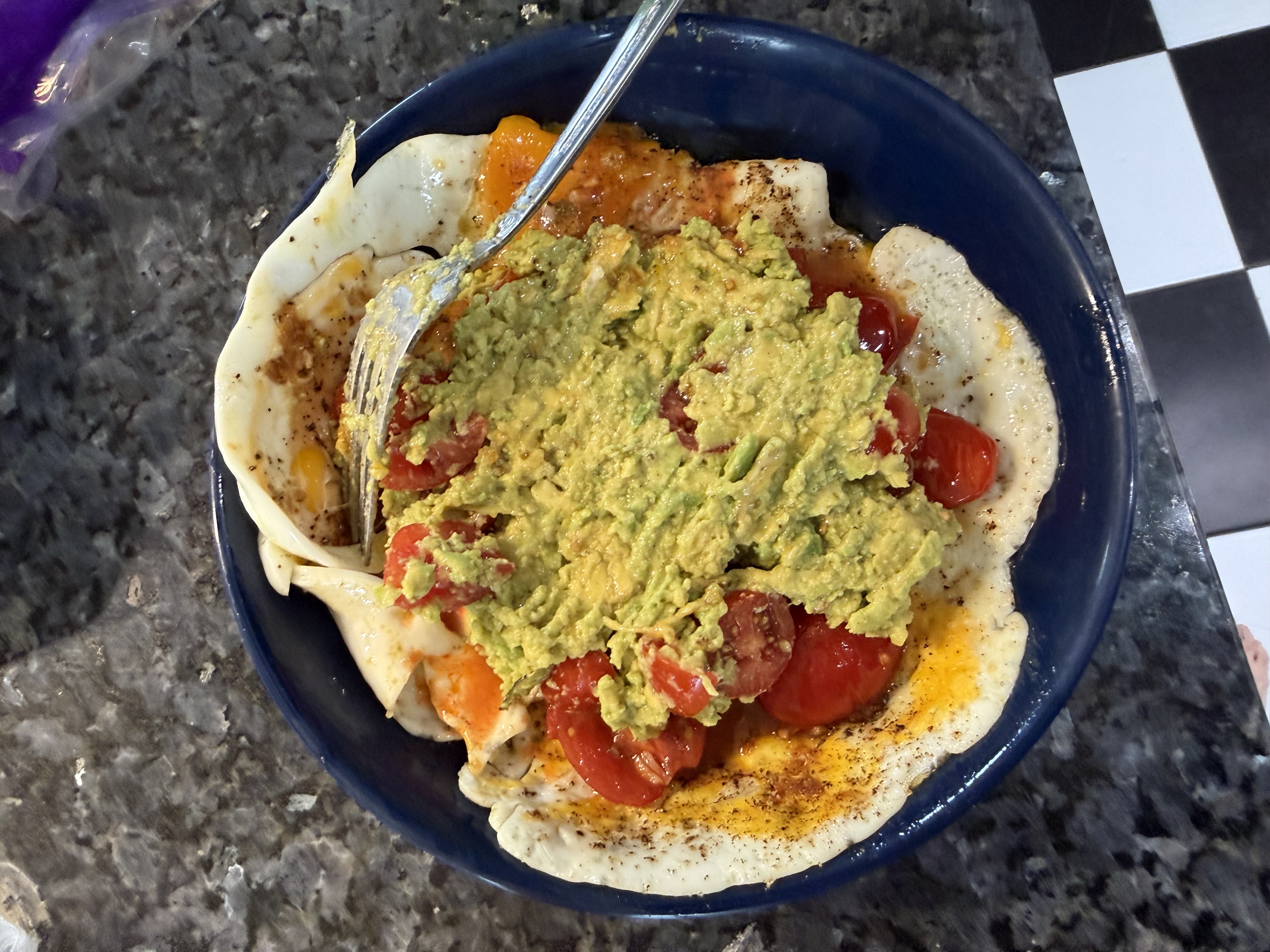
Some Sunday mornings just call for something a little extra. I just came back from a run and wanted something good, tasty but also healthy. As we had no time to shop yet, I looked for whatever’s left in the fridge… we had some leftover crab and 4 eggs...What about a crab omelette?! Is that even a thing???
I want to be honest with you: omelettes have a reputation for being finicky, and I spent years making ones that were rubbery, or browned on the outside, or just... sad. The good news is that once you understand a few simple techniques — the right pan temperature, the gentle folding method, and why you should *always* slightly undercook your eggs before you plate them — you'll never struggle again. I've tested this recipe more times than I can count (my family has zero complaints), and I'm walking you through every detail so yours turns out perfect on the very first try.
2 oz Gruyère cheese, freshly grated (or Swiss, Fontina, or white cheddar)
to taste extra chives and lemon wedges, for serving
Instructions
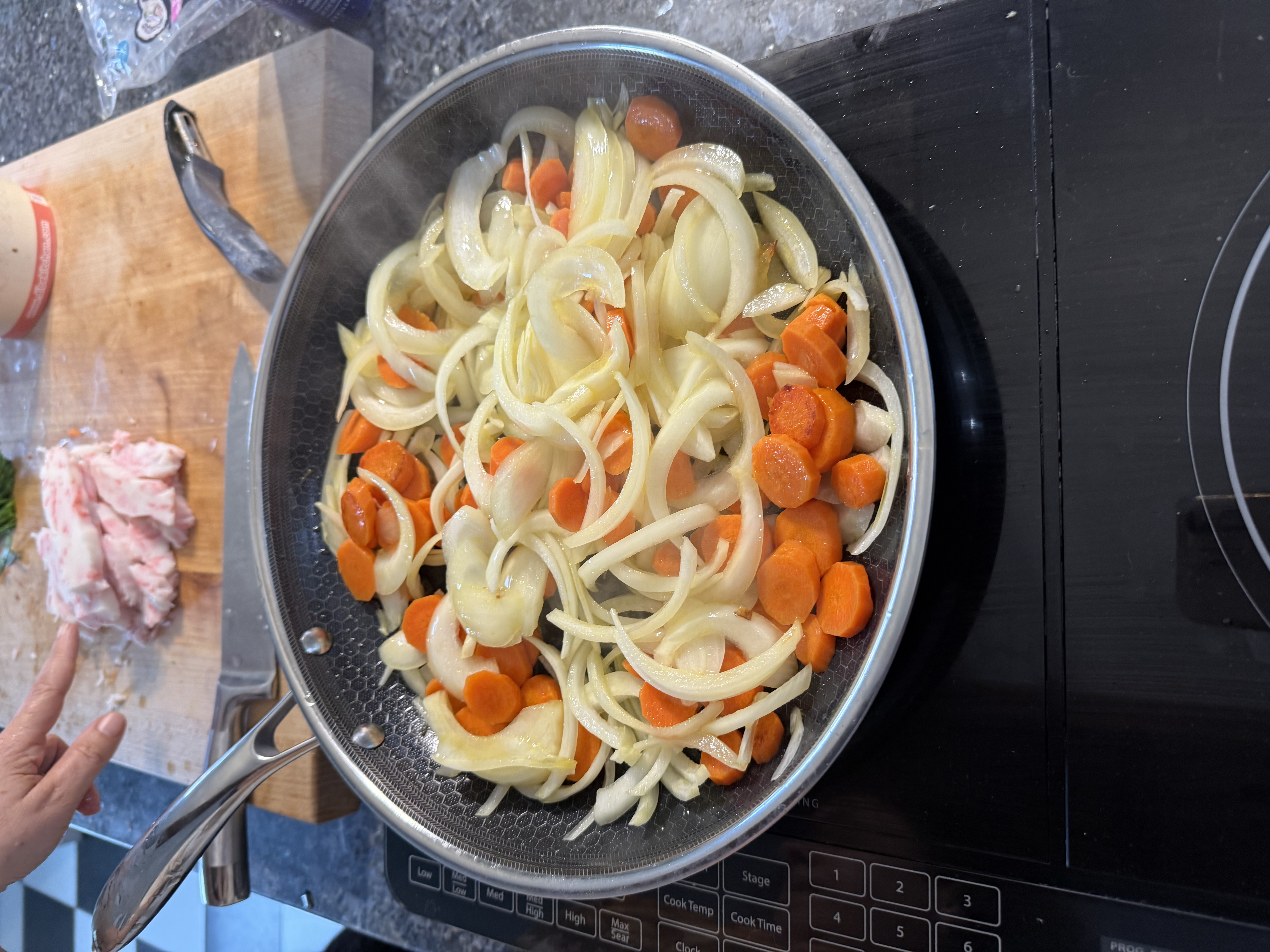
MAKE THE CRAB FILLING: In a small skillet over medium-low heat, melt 1 tablespoon butter. Add the finely diced onion and carrot and cook, stirring occasionally, for 5–6 minutes until the onion is completely soft and translucent and the carrot is tender. Don't rush this — low and slow here builds a sweet, fragrant base. Add the minced garlic and cook for 30 seconds until fragrant.
Add the drained crabmeat to the onion and carrot mixture. Gently fold it in with a spatula, breaking up any large clumps. Sprinkle in the cayenne pepper, drizzle with lemon juice, and season lightly with salt and pepper. Stir in the fresh parsley and tarragon. Remove from heat and fold in half the chives. Taste and adjust seasoning — the filling should be bright, slightly sweet from the crab and carrot, and well-seasoned. Set aside.
BEAT THE EGGS: In a medium bowl, crack all 6 eggs. Add the milk or cream, salt, and pepper. Using a fork or small whisk, beat vigorously for about 45–60 seconds until the whites and yolks are completely combined and you see a few small bubbles on the surface. Don't over-whisk into a foam — you want the mixture uniform but not airy.
COOK THE FIRST OMELETTE: Place a 9–10 inch (23–25 cm) non-stick or well-seasoned skillet over medium heat. Add 1 tablespoon of butter and let it melt and start to foam — this usually takes about 60 seconds. When the foam begins to subside (butter is hot but not browned), pour in exactly half the egg mixture (about 3 eggs' worth). It should sizzle gently at the edges immediately. If it sputters and browns right away, your pan is too hot — reduce the heat.
Using a silicone spatula, gently push the cooked egg from the edges toward the center in 4–5 places, tilting the pan so uncooked egg flows to the edges. Do this for about 60–90 seconds until the omelette is about 80% set — the edges are cooked but the center still looks slightly wet and glossy. This is exactly where you want it. Remove the pan from heat (residual heat will finish the eggs).
FILL AND FOLD: Scatter half the grated Gruyère over one half of the omelette. Spoon half the crab filling (about 1/2 cup) on top of the cheese. Let it sit off the heat for 20 seconds — the cheese will begin to melt from the heat of the pan. Using your spatula, carefully fold the unfilled half of the omelette over the filling to create a half-moon shape. Slide immediately onto a warm plate.
COOK THE SECOND OMELETTE: Wipe the pan clean with a paper towel (use tongs to hold it — it's hot). Add the second tablespoon of butter and repeat steps 4–6 with the remaining egg mixture, cheese, and crab filling. Serve the second omelette immediately alongside the first.
TO SERVE: Garnish both omelettes with the remaining fresh chives. Serve immediately with a lemon wedge on the side for squeezing over. A simple green salad or sliced avocado alongside makes this a complete, restaurant-worthy brunch plate.
Tips
USE THE BEST CRAB YOU CAN FIND: Fresh lump crabmeat from the seafood counter is ideal, but a good-quality canned lump crab (like Bumble Bee or Crown Prince) works beautifully here. Always drain it thoroughly and press gently with paper towels — excess moisture will make your omelette watery. Pick through for any shell fragments regardless of the source.
THE PAN TEMPERATURE IS EVERYTHING: The most common omelette mistake is cooking over heat that's too high. You want the butter to foam and just barely begin to subside before adding the eggs — about 325–340°F (165–170°C) if you're using a thermometer. If the butter browns before you add the eggs, wipe the pan and start over. A rubbery, browned omelette is almost always a heat problem.
MAKE THE FILLING FIRST, ALWAYS: The filling should be completely ready and at room temperature before you touch an egg. Omelettes cook in under 3 minutes — there's no time to multitask. Getting organized before you start is the single biggest technique upgrade you can make.
DICE THE VEGETABLES VERY SMALL: The onion and carrot should be diced to roughly 1/8 inch (3 mm) — smaller than you think you need. Large chunks won't cook through properly in the short sauté time, and big vegetable pieces can tear the delicate egg when you fold. Take your time with the knife work here.
SLIGHTLY UNDERCOOK, THEN REST: Pull the omelette off the heat when the center still looks about 20% wet and glossy. The residual heat in the pan and the warm filling will finish cooking the eggs perfectly in the 20–30 seconds it takes to fold and plate. If you wait until the eggs look 100% done in the pan, they'll be overcooked on the plate — this is the pro secret to a silky, creamy omelette interior.
Storage
Crab omelettes are best eaten immediately — eggs become rubbery when reheated and the texture will suffer significantly after sitting. The crab filling, however, can be stored separately in an airtight container in the refrigerator for up to 2 days. Reheat the filling gently in a small pan over low heat before using in a freshly made omelette.
Make Ahead
The crab and vegetable filling is the ideal make-ahead component here. Dice and sauté the onion, carrot, garlic, and crabmeat up to 2 days ahead, storing in an airtight container in the refrigerator. On the morning you're serving, let the filling come to room temperature for 15 minutes, then simply beat your eggs fresh and cook the omelette — your prep time drops to under 5 minutes. The Gruyère can also be grated 1–2 days ahead and stored covered in the fridge. This makes it a genuinely stress-free Mother's Day breakfast.
Yes — canned lump crabmeat works beautifully in this crab omelette recipe. Brands like Bumble Bee or Crown Prince offer good-quality lump crab that delivers excellent flavor. The most important step: drain it thoroughly and press gently with paper towels to remove excess moisture, which can make your omelette watery. Always pick through for any shell fragments before adding to the filling.
What cheese goes best with a crab omelette?
Gruyère is the top choice — its nutty, slightly sweet flavor complements the delicate sweetness of crabmeat without overpowering it. Swiss, Fontina, and white cheddar are excellent substitutes. Avoid strongly flavored cheeses like sharp cheddar or blue cheese, which can compete with and overwhelm the crab's subtle flavor.
How do you keep an omelette from being rubbery?
The two biggest culprits for rubbery omelettes are heat that's too high and overcooking. Cook your omelette over medium heat with foamy (not browned) butter, and pull it from the heat when the center still looks about 20% wet and glossy. Residual heat and the warm filling will finish cooking the eggs to a perfectly silky, creamy texture. Overcooked eggs in the pan = rubbery eggs on the plate.
Can I make a crab omelette ahead of time for Mother's Day?
The crab and vegetable filling can be made up to 2 days ahead and refrigerated in an airtight container — this is the ideal make-ahead strategy. On the morning of serving, bring the filling to room temperature for 15 minutes, beat your eggs fresh, and cook the omelette. Your active prep time drops to under 5 minutes. The omelette itself should always be cooked and served immediately, as eggs become rubbery when reheated.
What do you serve with a crab omelette for brunch?
A crab omelette pairs beautifully with a simple arugula or mixed green salad, sliced avocado with flaky salt, crusty sourdough toast, or roasted cherry tomatoes. For a full Mother's Day brunch spread, add mimosas or fresh-squeezed orange juice, fruit salad, and a pastry basket. The omelette's rich, savory flavor works best alongside lighter, fresh accompaniments.
What is the best pan size for making an omelette?
A 9–10 inch (23–25 cm) non-stick or well-seasoned skillet is ideal for a 3-egg omelette. A pan that's too small creates a thick omelette that's hard to fold and prone to uneven cooking. Too large and the egg layer is too thin and cooks too fast. A non-stick surface is especially important for omelettes — it allows the eggs to move freely and fold cleanly without tearing.
Is a crab omelette gluten-free?
Yes — this crab and cheese omelette recipe is naturally gluten-free. Eggs, crabmeat, cheese, vegetables, and fresh herbs contain no gluten. Just verify that any canned crabmeat you use is processed in a gluten-free facility if you're cooking for someone with celiac disease, and ensure your butter is pure with no additives.
How many calories are in a crab omelette?
This crab and cheese omelette recipe provides approximately 420 calories per serving (one 3-egg omelette with filling). It delivers 32g of protein and only 5g of carbohydrates, making it a high-protein, low-carb breakfast option. Substituting milk for heavy cream saves about 30 calories per serving, and swapping 2 whole eggs for 4 egg whites reduces fat content further without significantly impacting flavor.
Estimated Nutrition Facts
Per serving: 1 omelette (approximately 1/2 of recipe, ~300g) · 2 servings per recipe
Calories... 580
Nutrient
Amount
Total Fat
43g
Saturated Fat
22g
Protein
38g
Total Carbohydrate
7g
Dietary Fiber
1g
Total Sugars
3g
Sodium
780mg
Notable Nutrients: Vitamin B12: ~3.8 mcg (158% DV)Selenium: ~62 mcg (113% DV)Calcium: ~310 mg (24% DV)Vitamin A: ~520 mcg RAE (58% DV)Choline: ~380 mg (69% DV)
Nutritional values are estimates only, calculated from standard ingredient databases. Actual values may vary based on specific brands, preparation methods, and ingredient substitutions. Not intended as medical or dietary advice. Consult a registered dietitian or healthcare professional for precise nutritional guidance.

 📌 Pin It