Simple recipes for real life

Simple recipes for real life
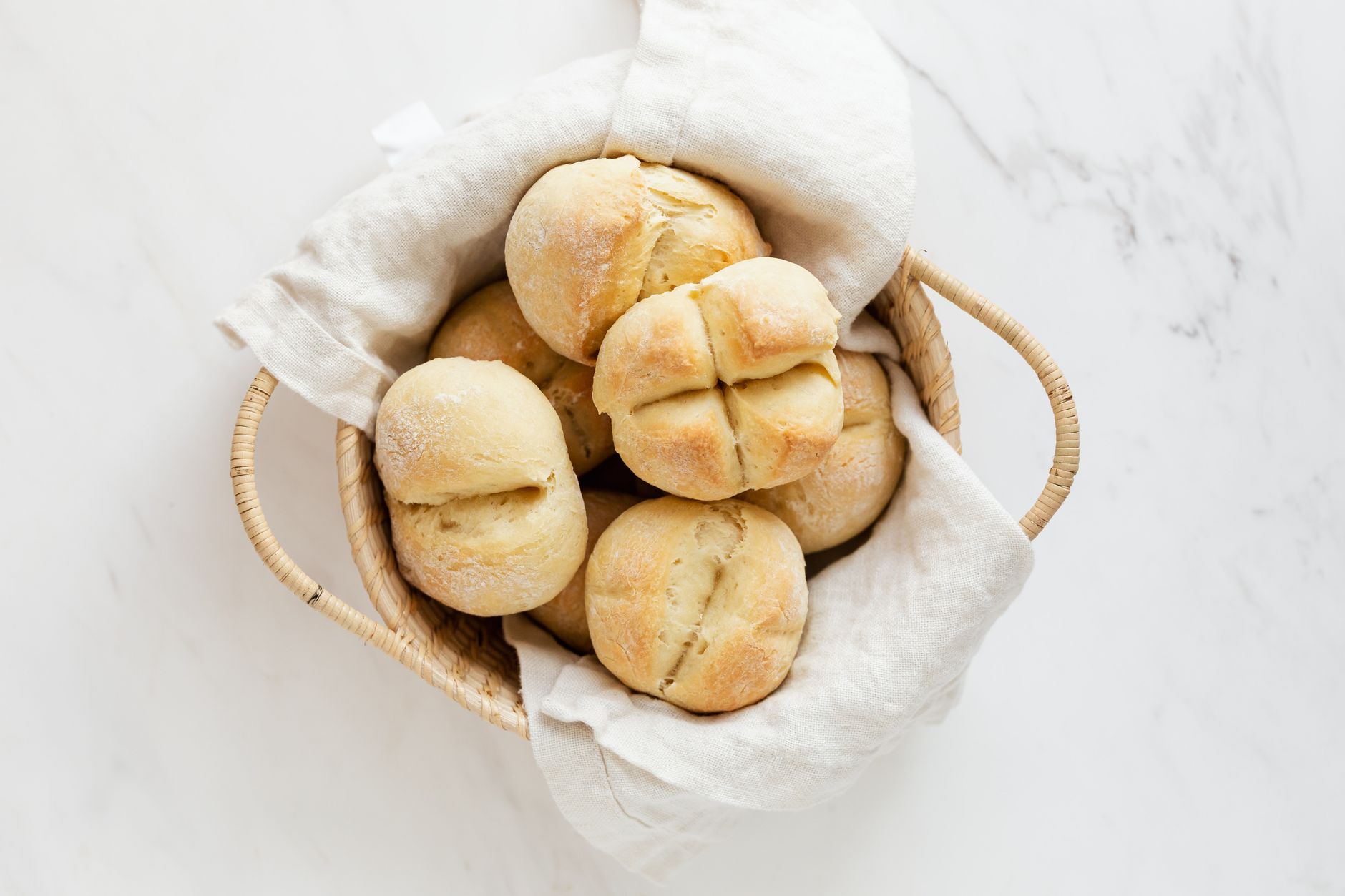
There is exactly one morning of the year that smells like childhood, warmth, and something quietly sacred all at once. I grew up watching my grandmother make these every Easter without a written recipe, pinching dough with flour-dusted hands and eyeballing the spice like she'd done it a thousand times (she had). For years I thought the magic was hers alone. Then I spent three Easter seasons and approximately forty test batches figuring out how to write it down — and I can tell you with absolute confidence: the magic is actually in the method. Enriched yeasted doughs can feel intimidating if you're new to bread baking, but hot cross buns are genuinely one of the most forgiving places to start. The dough is soft, fragrant, and pillowy-patient. It wants to be good. You just have to give it time.
What makes this recipe different from the dozen other hot cross bun recipes floating around the internet? Three things. First, we use a tangzhong — a simple cooked flour-and-milk paste borrowed from Japanese milk bread technique — that keeps the crumb impossibly soft for days rather than hours. Second, the spice blend is actually spiced: warm cinnamon, fragrant cardamom, a whisper of clove, and fresh orange zest that brightens the whole thing. Third, the cross is a piped flour paste that holds its shape in the oven rather than spreading into a sad smear, and the glaze is a two-ingredient apricot syrup that gives you that glossy, sticky, bakery-beautiful finish. If you love Easter baking as much as I do, our Easter Chocolate Cake (Nest Cake with Chocolate Eggs) is calling your name for Sunday — but today, on Good Friday, belongs entirely to these buns.
A quick word for first-time yeast bakers, because I see you and I want you to succeed: read the full recipe once before you start. Note the two rise times. Don't rush them — that's where the flavor and fluff live. If your kitchen is cold, pop the dough in a slightly warm oven (just turn it on for 1 minute, then off) with the door cracked. If your buns come out dense, the most common culprit is yeast that didn't activate properly or a dough that didn't rise long enough — both totally fixable next time. You've got this. Let's bake.
Store cooled buns in an airtight container at room temperature for up to 3 days. To refresh next-day buns, microwave individually for 15–20 seconds or warm in a 300°F (150°C) oven for 5 minutes. Do not refrigerate — cold air dries out enriched doughs quickly. For longer storage, freeze baked (unglazed) buns in a zip-lock bag for up to 2 months. Thaw at room temperature, then warm in a 325°F (165°C) oven for 8–10 minutes and apply fresh glaze while hot.
The dough can be made through the first rise, then punched down, covered tightly, and refrigerated overnight (up to 16 hours). The cold slow-rise actually improves flavor. The next morning, remove from the fridge, let sit at room temperature for 30 minutes, shape, then proceed with the second rise (which will take slightly longer from cold — up to 90 minutes). Alternatively, you can fully bake the buns the day before, skip the glaze, and store covered. Reheat at 325°F (165°C) for 8 minutes and glaze fresh — they'll taste nearly identical to straight-from-the-oven buns.
🖨 Print RecipeThe cross on hot cross buns is a Christian symbol representing the crucifixion of Jesus, making them a traditional Good Friday food. Historically, the cross was cut into the dough before baking; the modern method of piping a flour-paste cross became standard because it holds its shape better and creates a more defined, bakery-style finish.
Yes — hot cross buns can absolutely be made by hand. The kneading process will take about 10–12 minutes by hand versus 8–10 minutes with a mixer. The dough is ready when it's smooth, elastic, and passes the windowpane test (you can stretch a small piece thin enough to see light through without it tearing). It's a great arm workout and a deeply satisfying process.
Yes! After the first rise, punch down the dough, cover tightly, and refrigerate overnight for up to 16 hours. The cold, slow rise actually deepens the flavor. The next morning, remove from the fridge, let rest at room temperature for 30 minutes, then shape and complete the second rise (allow up to 90 minutes from cold). This is the ideal make-ahead strategy for Easter morning.
Dense hot cross buns are almost always caused by under-proofing. Use the poke test: press a floured finger about ½ inch into the dough. If it springs back slowly and partially, it's ready. If it springs back immediately, it needs more time. Also verify your yeast was alive and bubbly after the activation step — dead yeast produces no rise regardless of wait time.
Spreading crosses mean your flour paste is too thin. The paste should be thick enough to hold a line on a plate without spreading — described as 'toothpaste consistency.' Add flour ½ teaspoon at a time until it reaches the right thickness. If the problem persists, refrigerate the shaped, piped buns for 10 minutes before baking — cold paste holds its shape much better in the oven's initial heat.
Stored in an airtight container at room temperature, homemade hot cross buns stay soft for up to 3 days, especially when made with the tangzhong method. Do not refrigerate — cold air dries out enriched dough quickly. For longer storage, freeze unglazed baked buns for up to 2 months; thaw at room temperature and warm at 325°F (165°C) for 8–10 minutes, then apply fresh glaze.
Hot cross buns are an enriched yeasted dough — meaning they contain eggs, butter, and milk in addition to the standard flour, water, yeast, and salt. This makes the crumb richer, softer, and more tender than a basic dinner roll. They're also sweetened and heavily spiced (cinnamon, cardamom, cloves) and loaded with dried fruit, distinguishing them entirely from plain bread rolls.
Yes! Freeze baked (unglazed) buns in a sealed zip-lock bag for up to 2 months. To serve, thaw completely at room temperature (about 1 hour), then warm in a 325°F (165°C) oven for 8–10 minutes. Brush with fresh apricot glaze immediately while still hot. They taste nearly identical to fresh-baked buns.
Traditional hot cross buns use currants, raisins, or mixed candied peel — or a combination. Modern variations include dried cranberries for a tarter flavor, chocolate chips for a crowd-pleasing family version, dried apricot pieces, or even a combination of dried cherries and orange peel. The dough structure accommodates any mix-in that doesn't release excess liquid.
Tangzhong is a cooked flour-and-liquid paste borrowed from Japanese milk bread technique. When flour is cooked with liquid, the starch gelatinizes and can absorb significantly more water than raw flour — locking that moisture into the crumb. In hot cross buns, it means buns that stay pillowy-soft for 2–3 days rather than staling within hours. It takes just 3 extra minutes and makes a genuinely noticeable difference.
| Calories... 285 | |
| Nutrient | Amount |
|---|---|
| Total Fat | 6g |
| Saturated Fat | 3g |
| Protein | 8g |
| Total Carbohydrate | 51g |
| Dietary Fiber | 2g |
| Total Sugars | 14g |
| Sodium | 210mg |
Nutritional values are estimates only, calculated from standard ingredient databases. Actual values may vary based on specific brands, preparation methods, and ingredient substitutions. Not intended as medical or dietary advice. Consult a registered dietitian or healthcare professional for precise nutritional guidance.
| Ingredient | Est. Price | Shop |
|---|---|---|
| Whole milk | $1.50 | WalmartAmazon |
| Bread flour | $2.50 | WalmartAmazon |
| Active dry yeast | $1.00 | WalmartAmazon |
| Granulated sugar | $0.25 | WalmartAmazon |
| Ground cinnamon | $1.00 | WalmartAmazon |
| Ground cardamom | $1.50 | WalmartAmazon |
| Ground allspice | $0.75 | WalmartAmazon |
| Ground cloves | $0.75 | WalmartAmazon |
| Fine sea salt | $0.25 | WalmartAmazon |
| Orange | $0.80 | WalmartAmazon |
| Large eggs | $0.80 | WalmartAmazon |
| Unsalted butter | $1.00 | WalmartAmazon |
| Mixed dried fruit | $2.50 | WalmartAmazon |
| All-purpose flour | $0.50 | WalmartAmazon |
| Apricot jam | $1.50 | WalmartAmazon |
| Total Recipe Cost | $16.60 | |
| Cost Per Serving | $1.38 |
Prices are estimates and may vary by location, store, brand, and season.
New recipes every week — simple, tested, and made for real home cooks.
No spam, ever. Unsubscribe anytime.