Simple recipes for real life

Simple recipes for real life

There's a Sunday morning that lives rent-free in my memory — I'm standing in a tiny Paris apartment kitchen, watching my friend Céline drag thick slices of day-old brioche through a custard so rich it was practically gold. She called it pain perdu, 'lost bread,' because that's exactly what it saves: bread that's gone a little stale, rescued and transformed into something so impossibly good it makes you rethink everything you thought you knew about breakfast. She served it with a smear of tangy homemade lemon curd and a handful of strawberries still warm from the market, and I genuinely did not speak for about four minutes. That's the pain perdu standard. That's what we're going for here.
This recipe has become my absolute go-to for Easter brunch, and honestly for any spring morning when I want the table to feel a little magical without spending three hours in the kitchen. The brioche is everything — its buttery, pillowy crumb soaks up the vanilla-scented custard like it was born to do exactly that, and the edges caramelize in the pan into this lacy, golden crust that I could honestly eat by itself. The lemon curd (store-bought works beautifully, I promise I won't judge) adds a bright, citrusy tang that cuts right through the richness, and fresh strawberries make the whole plate look like a painting. It's the kind of dish that earns you a standing ovation at the brunch table without requiring a culinary degree — or even particularly good morning energy. If you love the French-inspired brunch vibe, our Easy Homemade Crepes Recipe (Sweet or Savory) is another crowd-pleaser that belongs in your spring rotation.
The one non-negotiable here is slightly stale brioche. I know it feels counterintuitive to use bread that's past its peak, but fresh-from-the-bag brioche is too soft and will turn to mush in the custard. Leave your slices out on a wire rack overnight, or pop them in a low oven for ten minutes to dry out — this is the actual French technique, and it genuinely makes all the difference between good French toast and *transcendent* pain perdu. Everything else is flexible, forgiving, and deeply, happily delicious.
Pain perdu is truly best eaten immediately — the caramelized crust softens as it sits, and the whole magic of the dish is that contrast between the crisp exterior and the custardy interior. That said, leftovers can be stored in an airtight container in the refrigerator for up to 2 days. To reheat, skip the microwave (which makes them rubbery and steamy) and instead warm in a non-stick skillet over medium-low heat for 2–3 minutes per side, or in a 350°F (175°C) oven on a wire rack for 8–10 minutes. The macerated strawberries can be stored separately in the fridge for up to 2 days and actually taste better on day two as the flavors continue to develop.
You can prep almost every component the night before for a stress-free Easter morning. Dry out and slice the brioche the evening before and leave it uncovered on the counter overnight — this is actually the ideal method. Make the custard base, cover it tightly, and refrigerate up to 24 hours (give it a fresh whisk before using). Macerate the strawberries up to 4 hours ahead and keep refrigerated. The lemon curd is obviously ready to go from the jar. On the morning, all you need to do is soak and cook — about 20 minutes of active time. The pain perdu itself does not freeze well due to the custard base.
🖨 Print RecipePain perdu is the original French version of what Americans call French toast. The name literally means 'lost bread' because it was invented to rescue stale or day-old bread. The key differences: pain perdu traditionally uses enriched breads like brioche or challah, calls for a richer custard with cream (not just egg and milk), and is cooked low-and-slow to develop a deeply caramelized crust. American French toast is often made with sandwich bread and a simpler egg wash. Pain perdu is richer, more custardy inside, and more flavorful overall.
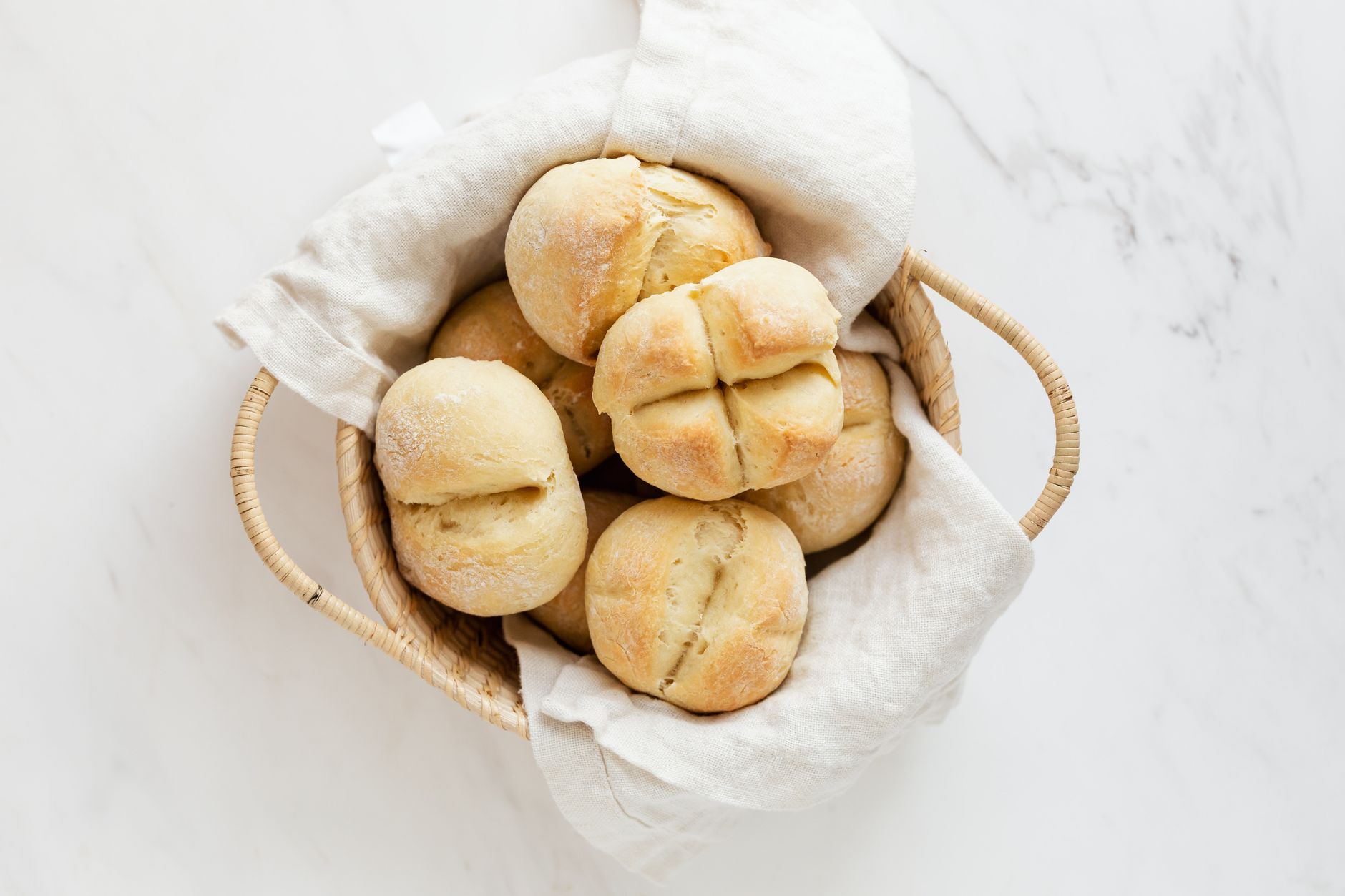
Brioche is the gold standard for pain perdu — its high butter and egg content creates a rich, pillowy crumb that soaks up custard beautifully while the edges caramelize into a golden crust. The most important factor is that the bread be slightly stale or dried out (day-old is ideal). Challah is an excellent substitute if brioche isn't available. Avoid soft sandwich bread, which turns to mush in the custard bath.
Yes — almost entirely. Dry out and slice your brioche the night before and leave it uncovered on the counter. Mix the custard, cover, and refrigerate up to 24 hours (re-whisk before using). Macerate the strawberries up to 4 hours ahead. On Easter morning, all you need to do is soak and cook the brioche — about 20 minutes of active time. The cooked pain perdu can be held on a wire rack in a 200°F oven for up to 15 minutes without losing texture.
The most common cause of soggy French toast (or pain perdu) is using fresh bread that hasn't been dried out first. Fresh brioche is too moist and collapses in the custard. Always use day-old bread or dry it in a low oven for 10–12 minutes before soaking. Over-soaking is the second culprit — 45 seconds per side is the sweet spot. Also, resting cooked slices on a plate instead of a wire rack traps steam and softens the crust.
Store-bought lemon curd (Bonne Maman and Wilkin & Sons are excellent choices) works perfectly and is our recommended shortcut. If you don't have lemon curd, good alternatives include: crème fraîche with a little honey and lemon zest, mascarpone with powdered sugar, Greek yogurt sweetened with honey, or homemade quick lemon curd (egg yolks, butter, sugar, and fresh lemon juice — ready in 10 minutes on the stovetop).
Pain perdu is pronounced 'pan pair-DU' — pain (bread) and perdu (lost). Together it means 'lost bread,' a reference to the French tradition of rescuing stale bread that would otherwise be thrown away by soaking it in a rich custard and pan-frying it. The dish dates back centuries in French cuisine and is the direct ancestor of what Americans and British call French toast or eggy bread.
Fresh strawberries are strongly recommended for pain perdu — their texture, brightness, and visual appeal make the dish. However, if fresh aren't available, thaw frozen strawberries completely, drain off excess liquid, and macerate as directed. The flavor will be slightly less vibrant but still delicious. Florida and California strawberries are at peak availability in spring, making this the ideal time of year for this recipe.
Each serving of this brioche pain perdu recipe (2 slices with macerated strawberries and 2 tablespoons of lemon curd) contains approximately 520 calories, 22g fat (12g saturated), 65g carbohydrates, 14g protein, and 3g fiber. Calorie counts vary based on your brioche brand, as commercial brioche varies significantly in butter and sugar content. Substituting half-and-half for heavy cream reduces fat by about 3g per serving.
| Calories... 680 | |
| Nutrient | Amount |
|---|---|
| Total Fat | 34g |
| Saturated Fat | 18g |
| Protein | 16g |
| Total Carbohydrate | 78g |
| Dietary Fiber | 2g |
| Total Sugars | 38g |
| Sodium | 430mg |
Nutritional values are estimates only, calculated from standard ingredient databases. Actual values may vary based on specific brands, preparation methods, and ingredient substitutions. Not intended as medical or dietary advice. Consult a registered dietitian or healthcare professional for precise nutritional guidance.
| Ingredient | Est. Price | Shop |
|---|---|---|
| Brioche loaf | $5.49 | WalmartAmazon |
| Large eggs | $1.20 | WalmartAmazon |
| Whole milk | $0.30 | WalmartAmazon |
| Heavy cream | $0.75 | WalmartAmazon |
| Granulated sugar | $0.15 | WalmartAmazon |
| Pure vanilla extract | $0.50 | WalmartAmazon |
| Fresh lemon | $0.69 | WalmartAmazon |
| Ground cinnamon | $0.10 | WalmartAmazon |
| Fine sea salt | $0.05 | WalmartAmazon |
| Unsalted butter | $0.75 | WalmartAmazon |
| Fresh strawberries | $3.49 | WalmartAmazon |
| Lemon curd | $3.99 | WalmartAmazon |
| Powdered sugar | $0.20 | WalmartAmazon |
| Fresh mint | $1.99 | WalmartAmazon |
| Total Recipe Cost | $19.65 | |
| Cost Per Serving | $4.91 |
Prices are estimates and may vary by location, store, brand, and season.
New recipes every week — simple, tested, and made for real home cooks.
No spam, ever. Unsubscribe anytime.